
Welcome to the Latrobe Catchment’s Weed and Pest Hub
A collection of handpicked, verified and trusted resources to help you find solutions to your weed and pest problems.
This page is constantly being added to - if you have a burning enquiry or a resource to recommend, please email us at info@lcln.org.au
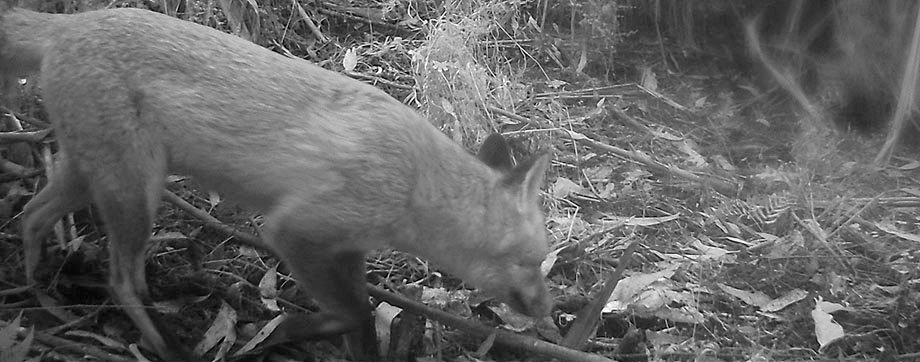
Photo Credit: David Cummings
Introducing the Good Neighbour Guide
Being a good neighbour means more than waving over the fence—it means working together to care for the land, waterways, wildlife and communities we all share.
The Good Neighbour Guide has been developed by the Latrobe Catchment Landcare Network as a practical resource for anyone living on or managing land, whether you're on a rural property, lifestyle block or in a township bordering bushland. Packed with practical tips and easy-to-understand information, the guide covers topics including pest plants and animals, protecting native wildlife, caring for waterways, responsible pet ownership and simple actions that make a positive difference to the environment. It also includes a map of the Latrobe Catchment Landcare Network region and a directory of all our member Landcare groups, making it easy to find and connect with your local group.
Every property, no matter its size, contributes to the health of our landscape. Small actions taken by many people create lasting change. This guide is designed to encourage positive conversations between neighbours, inspire community action and help people understand the important role we all play in caring for Country.
The Good Neighbour Guide is just one of many resources developed by the Latrobe Catchment Landcare Network to support our Landcare groups, volunteers and the broader community. Through workshops, field days, demonstration projects, educational resources and on-ground support, we work alongside communities to build knowledge and encourage coordinated action against invasive pests and weeds. By working together across property boundaries, we can achieve better environmental outcomes and create healthier, more resilient landscapes for future generations.
The development of this guide was proudly supported through the Victorian Government's Partnerships Against Pests program, delivered by Agriculture Victoria. This funding has enabled the Latrobe Catchment Landcare Network to provide practical tools, education and community engagement that empower landholders and volunteers to work together in managing invasive species and protecting our region's unique biodiversity.
Thank you for taking the time to read this guide. We hope it provides useful ideas, practical inspiration and encourages conversations with your neighbours about caring for the places we all value.
If you would like additional copies to share with family, friends, neighbours or your community group, please click on the button below. You can also download a digital copy by clicking below.
Don’t forget you can use the map and directory inside this guide to find your nearest Landcare group and discover how you can become involved in caring for your local environment.
2025 Winter Webinar Series
-

Social media is one of the easiest, cheapest, and most effective ways to raise awareness and share practical advice about managing pest species. Find out how your groups’ social media feed can educate, inspire action, and get more people involved in protecting our local ecosystems.
In this 2-hour online workshop you’ll learn:
🌱 How to use social media to educate your neighbours
🌱 What makes a post engaging (and what doesn’t)
🌱 How to reach the right people with the right message
🌱 Tools to plan, schedule, and stay consistent
🌱 Easy tips for taking great photos with your phone
🌱 Smart ways to promote events and projectsWebinar Resources:
1. Social Media Content Pillar Strategy
2. Social Media Content Planner (downloads an excel spreadsheet)
3. LCLN’s 2025 Landcarer Calendar (for all your special days to celebrate)
-
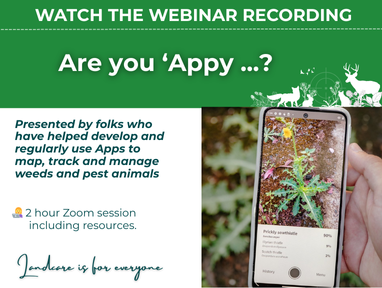
Technology can help everyone identify weeds and pests on their patch, as well as map and report them to authorities, and track progress on management efforts over time. These Apps are free to download and use, and available to anyone with a smart phone.
In this 2-hour online webinar you’ll learn:
- the various Apps available to help combat weed and pest animals (including WeedScan | FeralScan | iNaturalist and Seek | Snap Send Solve)
- key features of each App and how to use them to achieve your weed and pest management goals
- where the data from each App goes, and how it is used
- where to find more information to support you on your App journey!Webinar Resources:
1. Link to WeedScan
2. Link to FeralScan
3. Link to iNaturalist
4. Link to article iNaturalist vs Seek
-
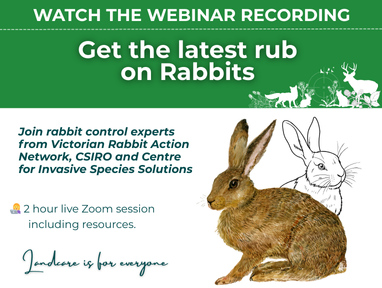
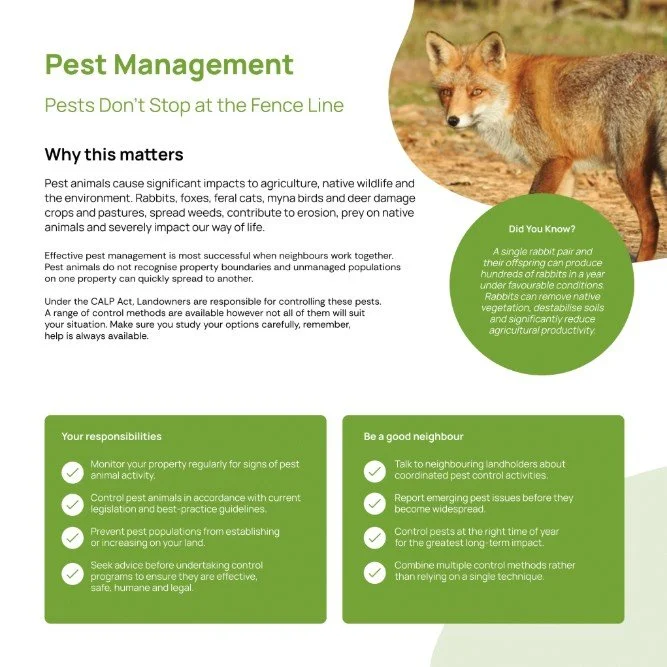
While these long-eared plant killers are here to stay, there’s a lot that can be done to curb their numbers and the damage they do. In this webinar, experts from the Victorian Rabbit Action Network, CSIRO and Centre for Invasive Species Solutions share what’s involved in planning and executing a well-informed rabbit control program.
In this 2-hour online webinar you’ll learn:
- who's responsible for rabbit control, where, when and why
- the latest on rabbit biocontrols including CSIRO’s research and development
- key components of a successful rabbit control program
- control options available, and when and how to combine them for greatest success
- handy tools, resources and Apps to support your rabbit control program.Webinar Resources:
1. CSIRO - Rabbit Biocontrols slides
2. VRAN - Who’s responsible slides
3. VRAN - Successful Management slides
4. VRAN - Other techniques slides
-

Pest plants quickly invade new areas and cause damage to native habitat, native wildlife, livestock and people’s livelihoods. Not only that, they can take a serious toll on people’s back pockets, community morale and neighbourhood good-will.
In this 2-hour online webinar you’ll learn:
- who's responsible for weed control, where, when and why
- key components of a successful weed control program
- biological and other control options available, and when to use them
- what the presence of weeds is telling you about soil health
- the influence of plant biology, landscape vectors and natural disasters on weed spreadWebinar Resources:
1. Agriculture Victoria - Biocontrol of Weeds slides
2. Biobloom - Weeds as Indicators slides
3. DPI NSW - Biological control of weeds - A practitioner’s guide for south-east Australia
This page is currently under development and we have so much more to add - if you have a burning enquiry or a resource to recommend, please email us at info@lcln.com.au
The 2025 Latrobe Weeds and Pests Community Awareness & Capacity Building Project is supported by the Victorian Government through the Partnerships Against Pests Program.
