

Small Plantings, Big Connections
Every tree planted is another step towards reconnecting our landscape.
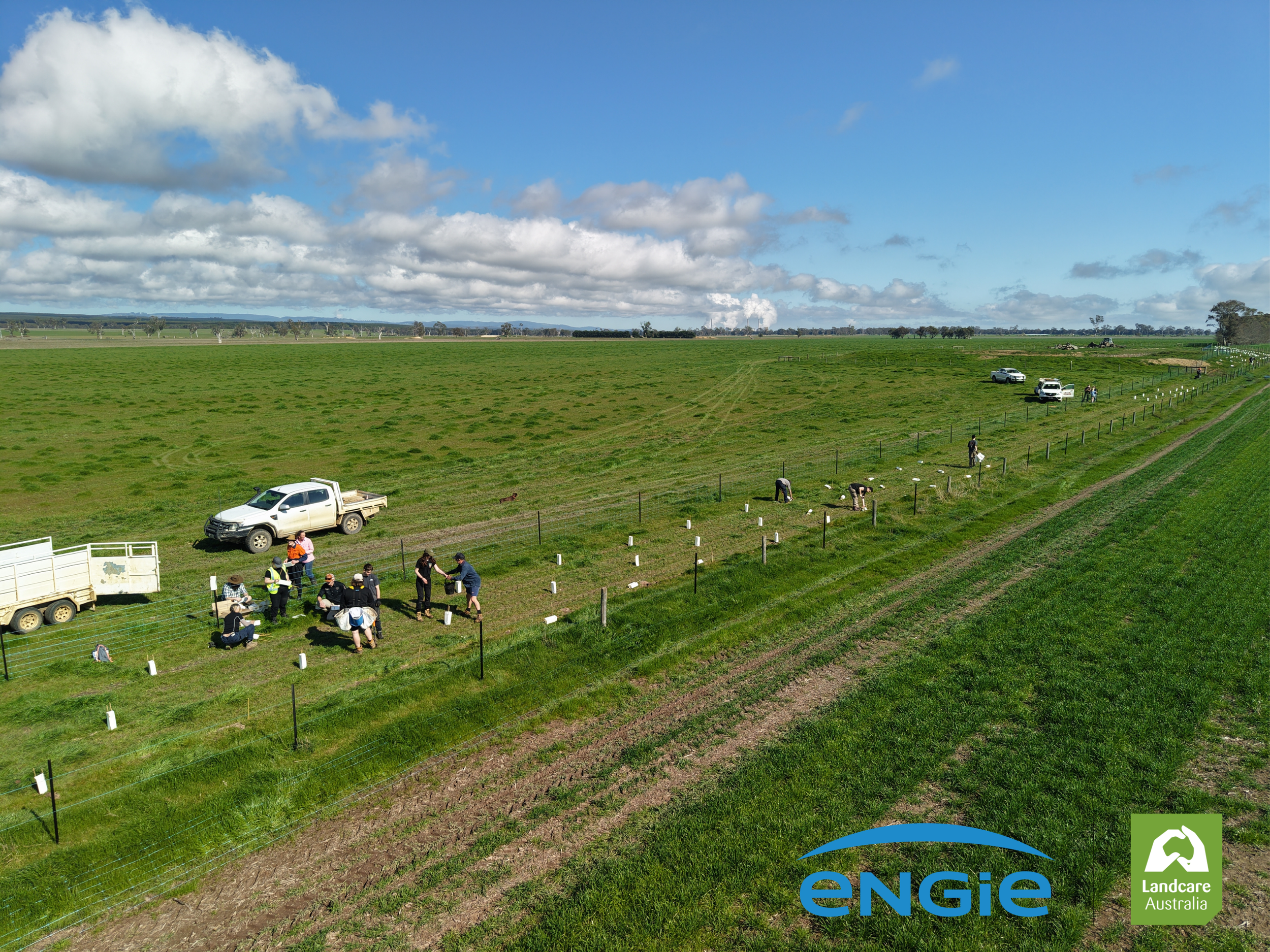
Through the ENGIE Corporate Volunteering & Biolink Enhancement Project, Latrobe Catchment Landcare Network (LCLN) has worked alongside local landholders, Yinnar Yinnar South Landcare members and TAFE Gippsland students to establish new areas of native vegetation and strengthen wildlife corridors across our region.
With funding from ENGIE, provided through Landcare Australia, the project has delivered practical environmental improvements across three private properties, contributing to a much bigger vision for habitat connectivity in West Gippsland.
Growing Connections: ENGIE Biolink Enhancement Project
Restoring native habitat, connecting landscapes and bringing communities together across West Gippsland.
Our Project Achievements
Across the three participating properties, the project has achieved:
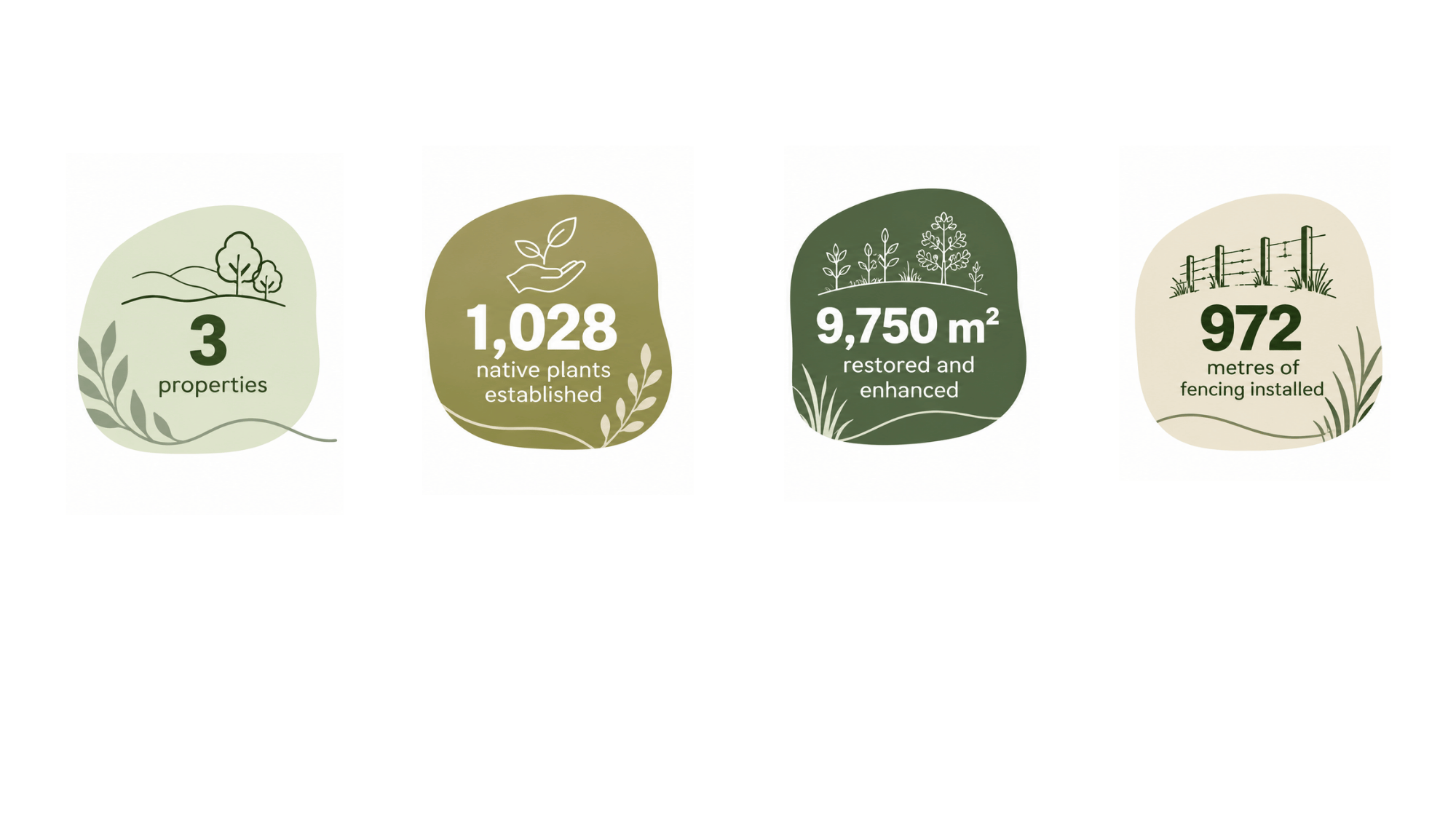
1,028 native trees, shrubs and understory plants established to improve habitat connectivity.
9,750 square metres (0.975 hectares) of land revegetated and enhanced.
972 metres of rural fencing installed to protect young plants and sensitive habitat areas.
TAFE Gippsland students involved in hands-on planting activities at two properties.
Local Landcare members and landholders working together to deliver lasting environmental outcomes.
These achievements represent an important investment in the future of our local environment, with benefits that will continue to grow as the vegetation establishes.
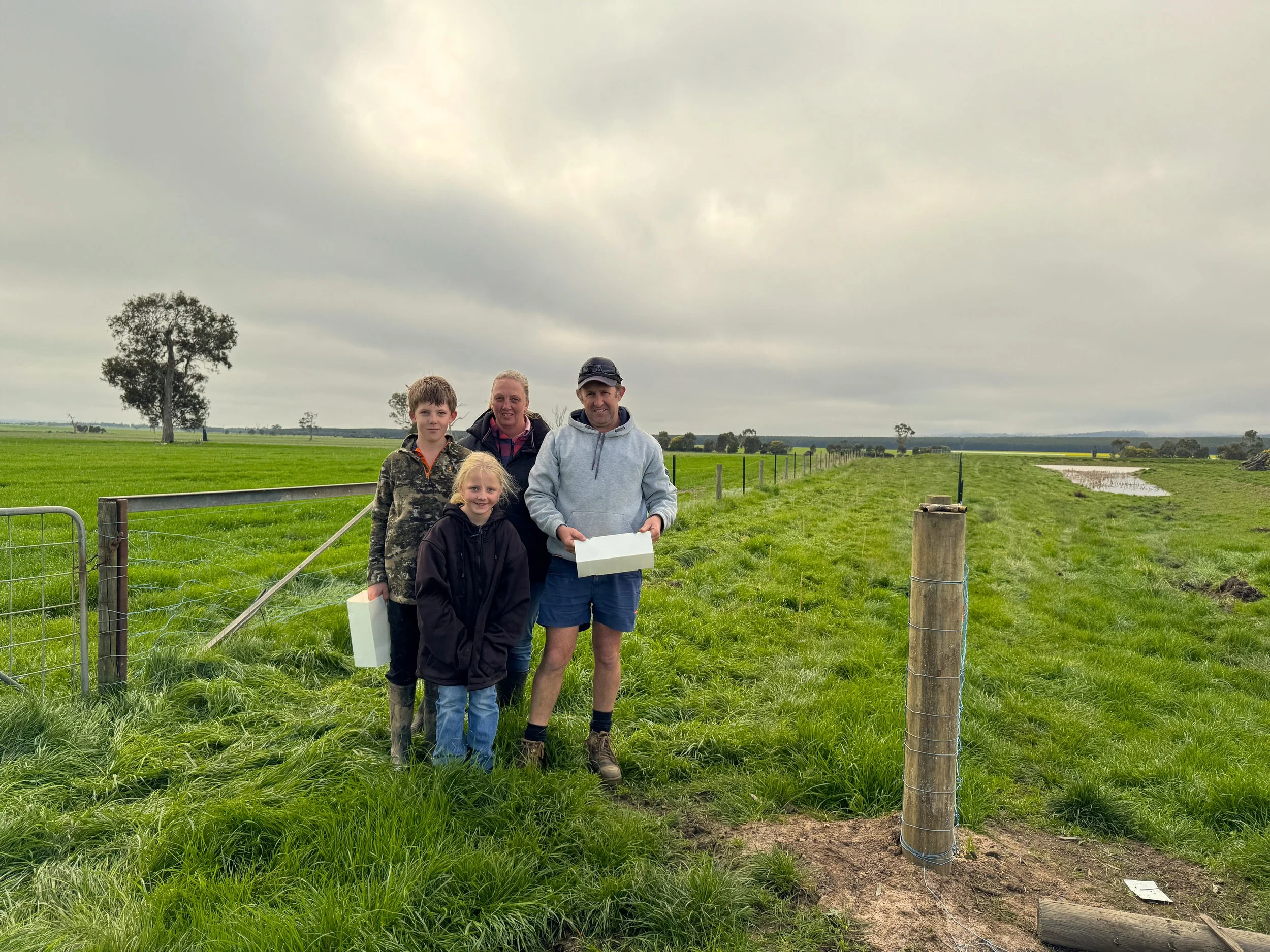
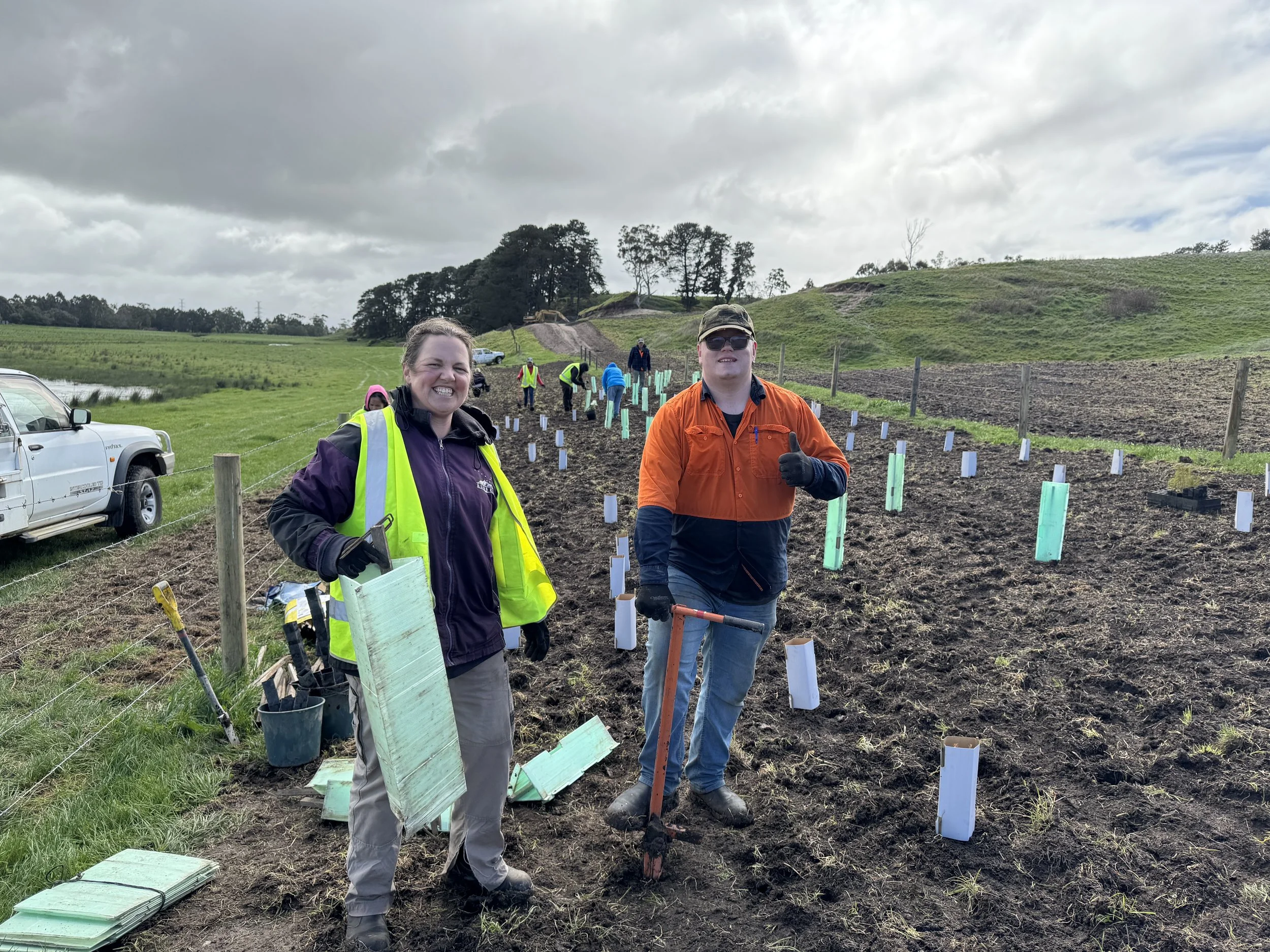
The Paulett Family - Flynn
🌱 5,550 square metres of land revegetated
🌱 390m of fencing installed
🌱 608 little plants growing
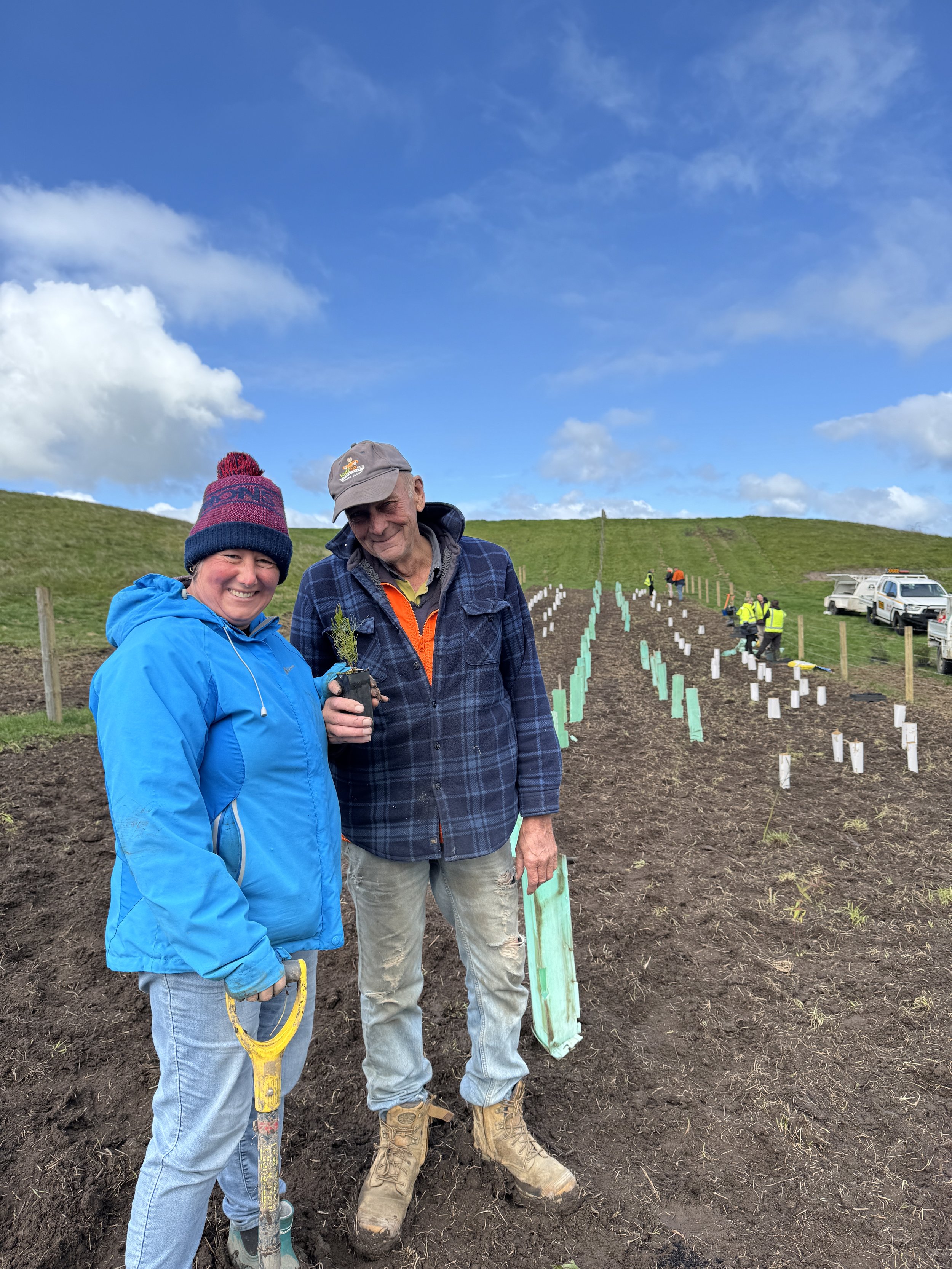
Tony and Donna Lawless - Hazelwood North
🌱 1,900 square metres of land revegetated
🌱 412m of fencing installed
🌱 190 little plants growing
Learning on the Land: TAFE Gippsland Gets Involved
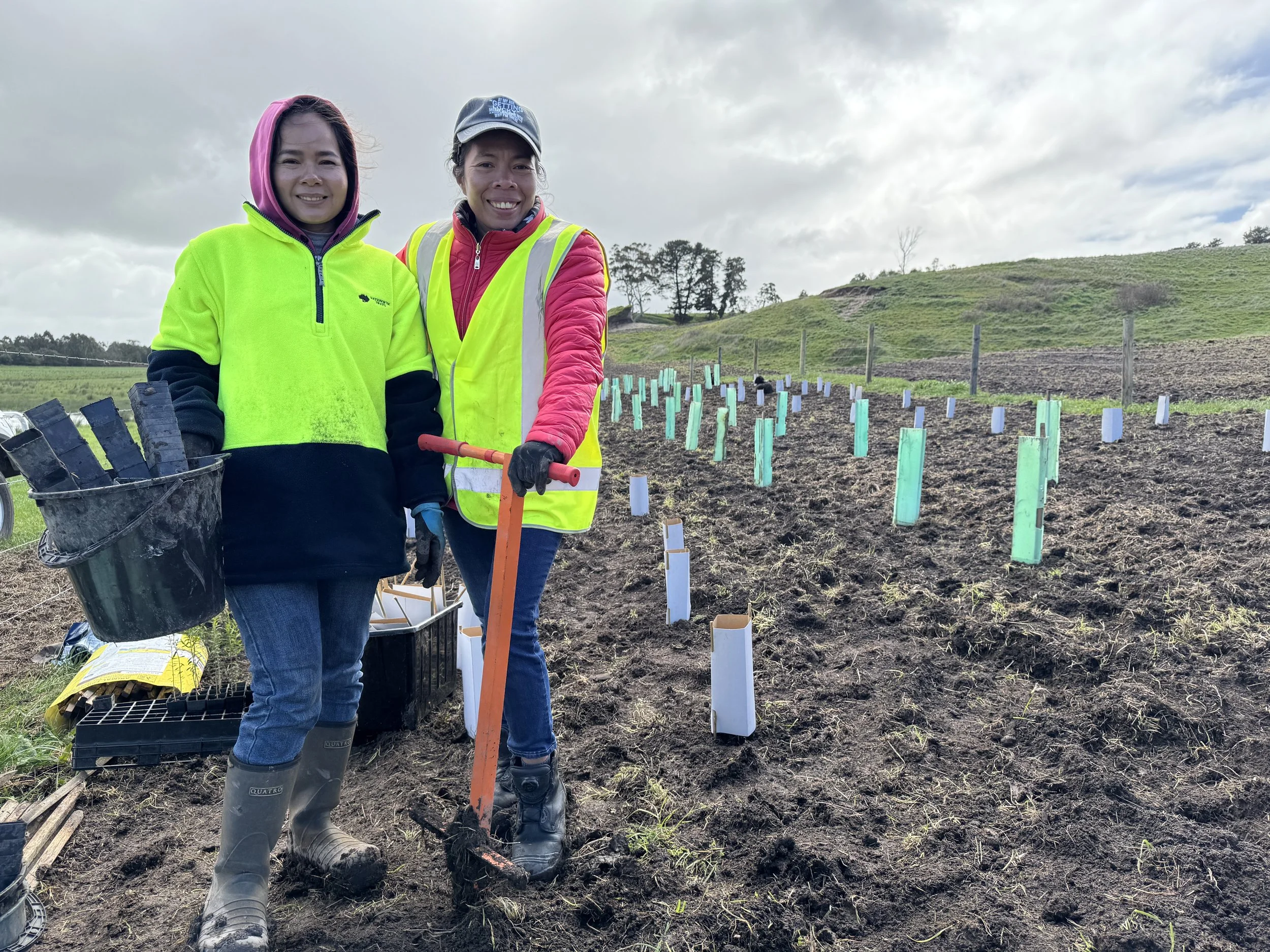
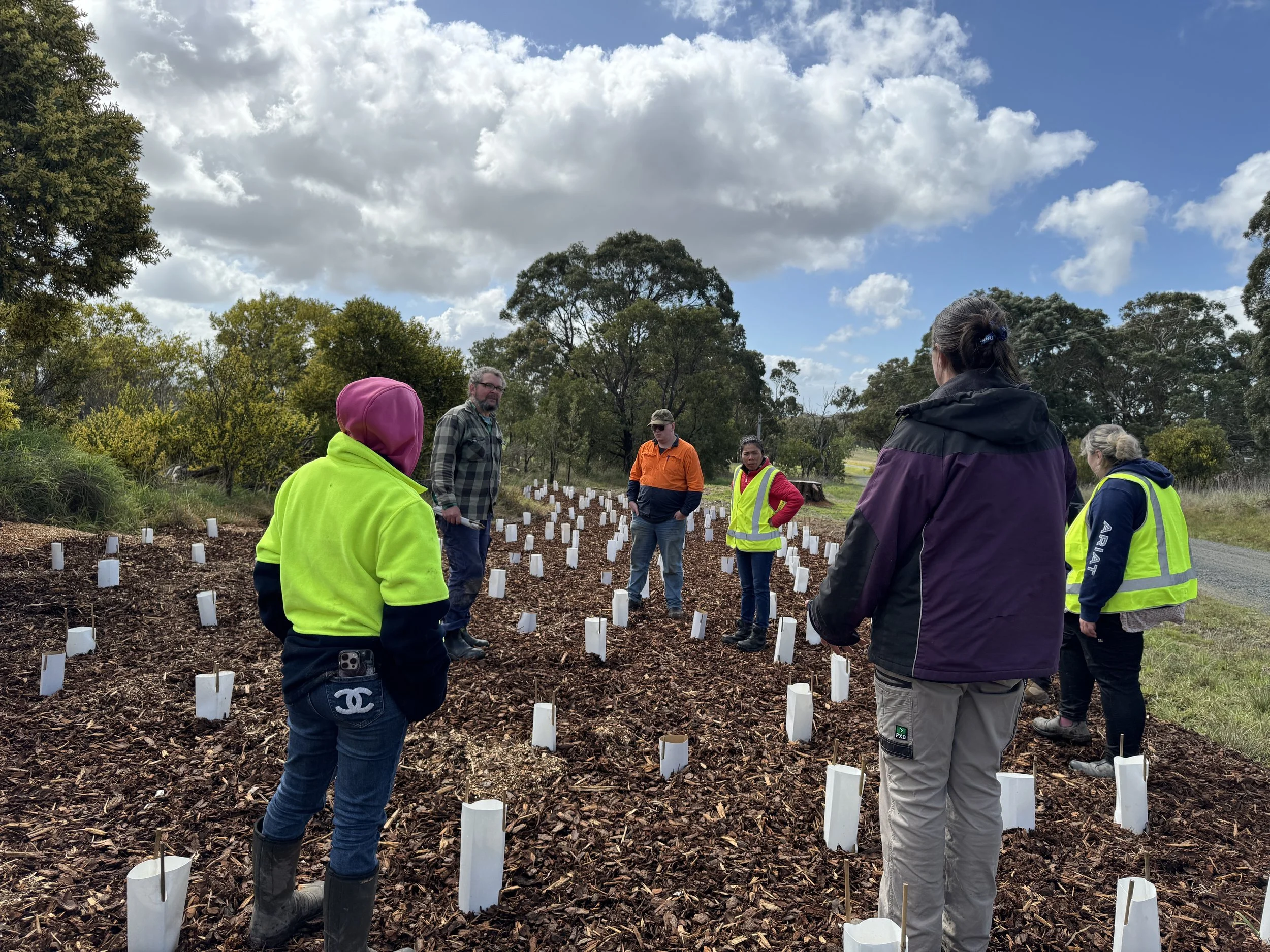
One of the highlights of this project was the involvement of TAFE Gippsland students, who joined planting activities at two participating properties.
Working alongside local landholders and Landcare members, students gained valuable hands-on experience in native revegetation and environmental restoration.
At one Hazelwood North property, students helped plant 190 native trees and shrubs alongside Yinnar Yinnar South Landcare members Tony and Donna Lawless.
Despite a wet start on one day, spirits remained high, and the students enthusiastically rolled up their sleeves to get plants in the ground.
Following the planting, students visited nearby revegetation sites of different ages, providing a valuable opportunity to see how restoration areas develop over time.
These experiences help connect classroom learning with real-world environmental outcomes, while introducing the next generation to the important role Landcare plays in caring for our landscapes.
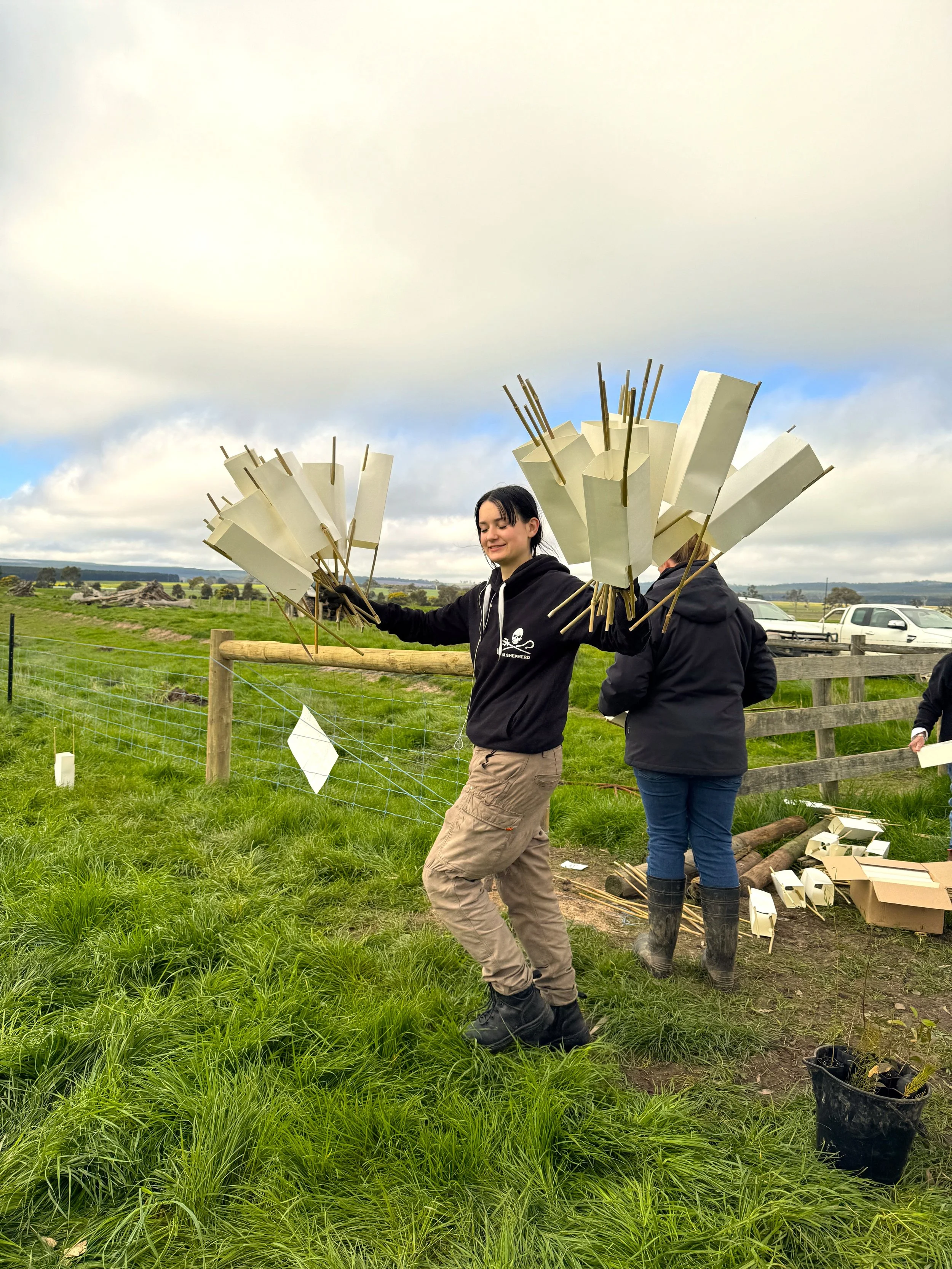
Redmonds Farm - Flynn
🌱 2,300 square metres of land revegetated
🌱 170m of fencing installed
🌱 230 little plants growing
Why Connecting Our Landscape Matters
Across Gippsland, many areas of native vegetation have become fragmented, leaving isolated patches of habitat separated by farmland, roads and other land uses.
For native wildlife, these gaps can make it difficult to move safely between habitats, find food and shelter, and maintain healthy populations.
That's where biolinks come in.
Biolinks are connected areas of native vegetation that help wildlife move through the landscape. By restoring vegetation along waterways, property boundaries and other strategic locations, we can gradually reconnect isolated habitat and create a healthier, more resilient environment.
This project contributes to the broader Strzelecki–Alpine Biolink, a landscape-scale initiative working towards stronger ecological connections between the Strzelecki Ranges, Baw Baw Ranges and Alpine landscapes.
While individual plantings may seem small, together they become important pieces of a much larger habitat puzzle.
Protecting Habitat for the Future
Planting native vegetation is only one part of successful habitat restoration.
Protecting those plantings while they establish is just as important.
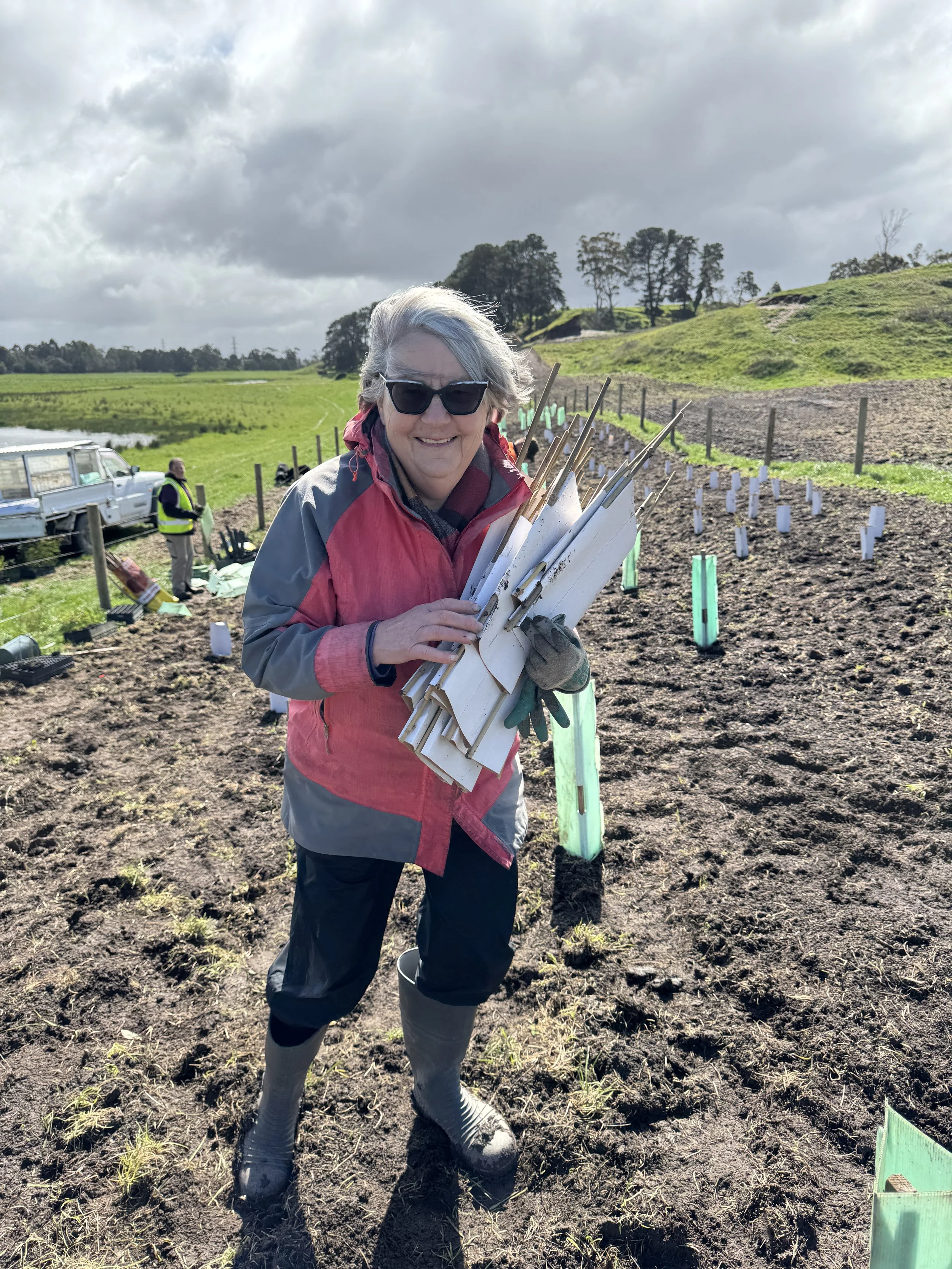
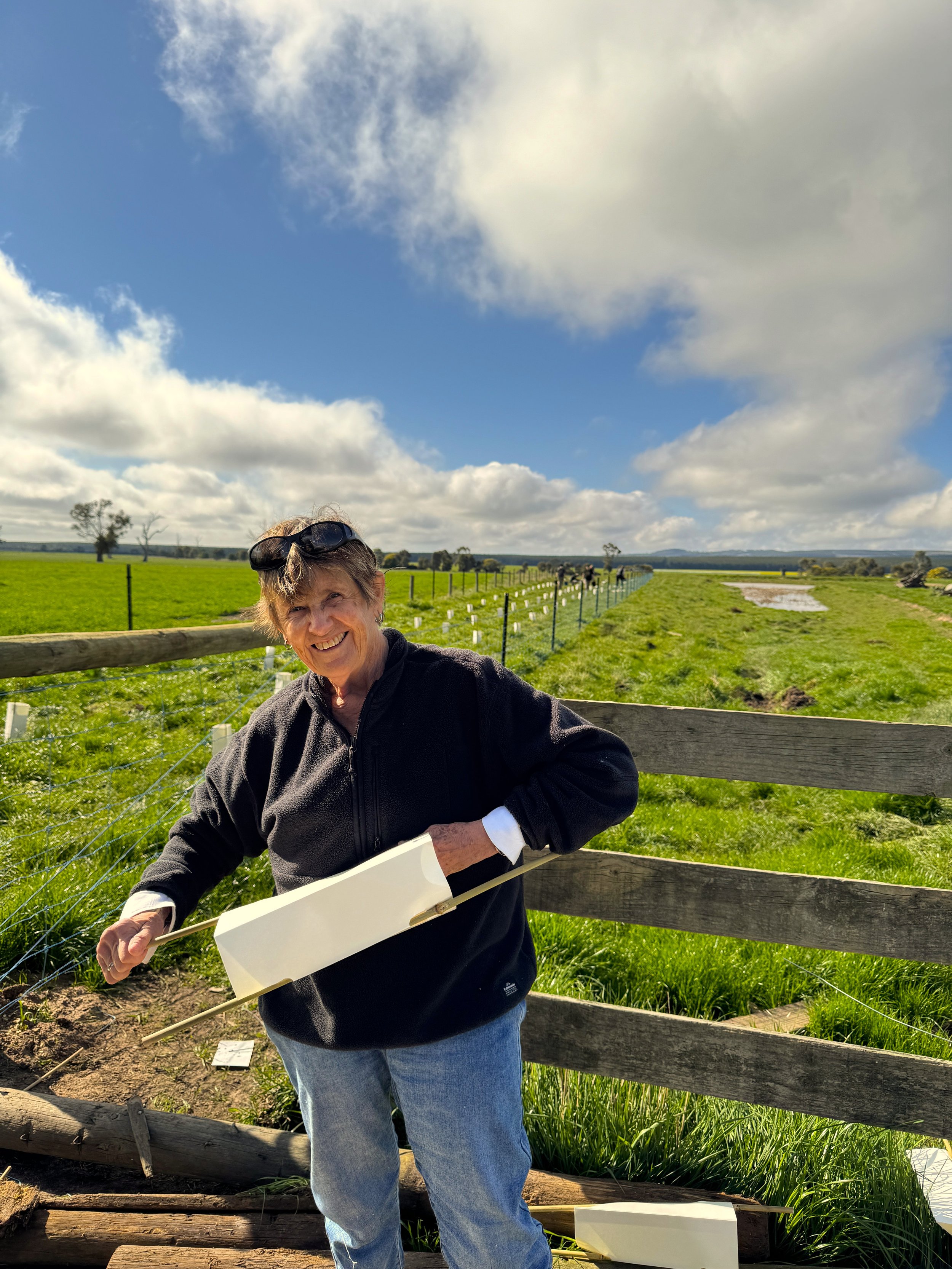
Through this project, 972 metres of rural fencing was installed to protect revegetation areas from livestock and other disturbances, giving young plants the opportunity to grow and establish.
As these areas mature, they will provide increasing benefits for wildlife, including food sources, shelter and improved connections between existing habitat.
Participating landholders will continue caring for the sites, undertaking weed management and monitoring plant establishment to help ensure the long-term success of the project.
Partnerships Making a Difference
At the heart of this project are the people who care about our local environment.
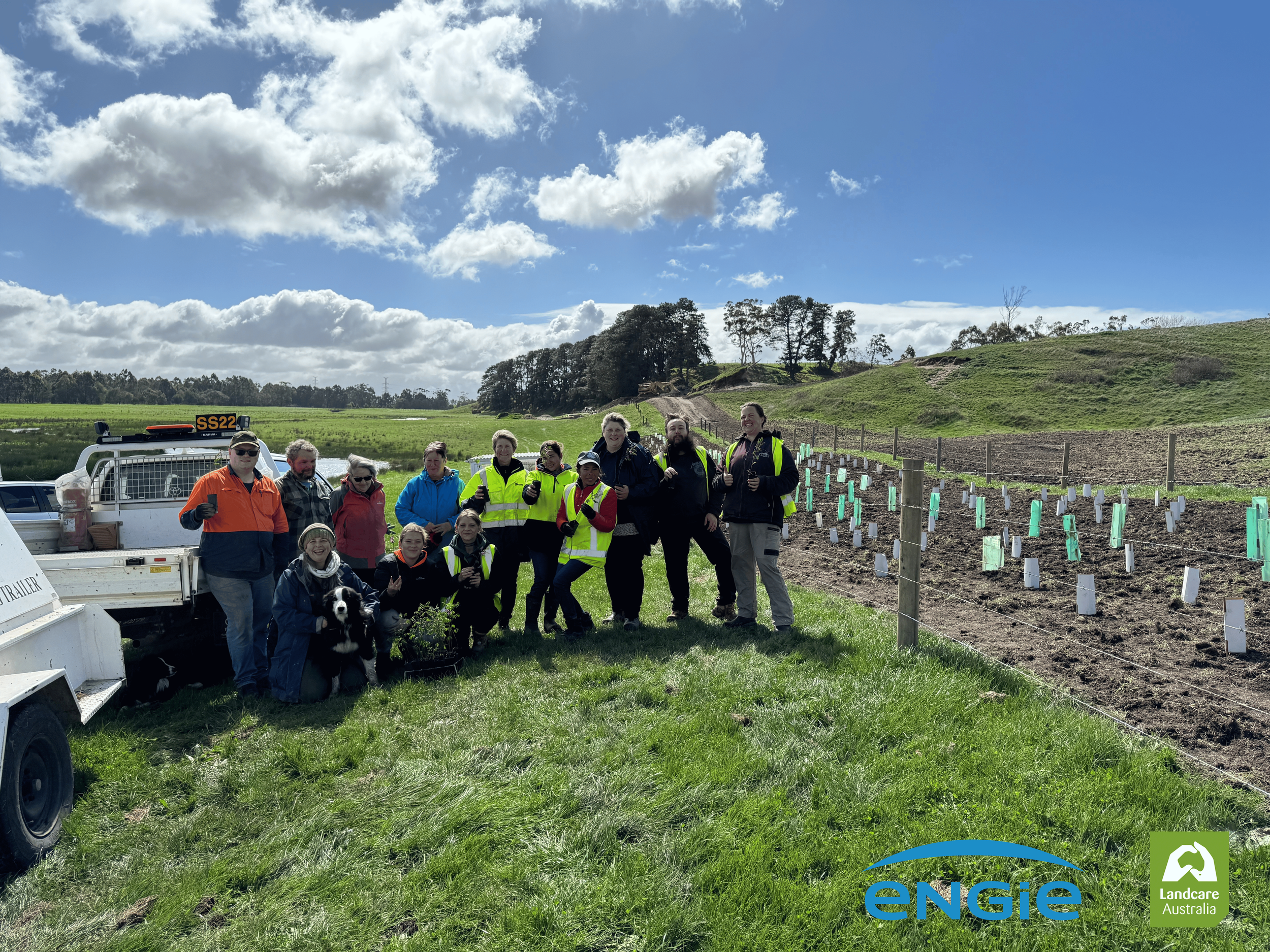
From landholders making space for native habitat on their properties, to Landcare members sharing their local knowledge and TAFE students gaining practical experience, the project demonstrates what can be achieved through collaboration.
A special thank you to Yinnar Yinnar South Landcare for their involvement and ongoing commitment to improving the local landscape, and to TAFE Gippsland for providing students with opportunities to contribute to meaningful environmental restoration.
We also extend our appreciation to the participating landholders for their commitment to protecting and enhancing biodiversity on their properties.
Their ongoing stewardship will help ensure these plantings continue to provide environmental benefits for many years to come.
One Tree at a Time
The project may be complete, but the story of these plantings is only just beginning.
Over the coming years, the young trees and shrubs will grow, habitat will develop, and the connections between patches of native vegetation will become stronger.
These are the small but important steps that contribute to landscape-scale restoration.
One property, one fence line and one tree at a time, we're helping reconnect Gippsland's landscape.
Project Funding
This project was made possible with funding from ENGIE, provided through Landcare Australia's ENGIE Landcare Community Grants Program.
Latrobe Catchment Landcare Network gratefully acknowledges this support, which has helped deliver lasting environmental improvements and strengthen community involvement in habitat restoration across West Gippsland.
Project delivery: September 2025 – 2026